
Share
|
Quick Summary: How to Tell if Brass is Real To check if brass is real using a magnet, follow these simple steps:
Why it works: Authentic brass is an alloy of copper and zinc, which are non-magnetic metals.
|
Quick Answer: The easiest way to check if brass is real is to use a magnet and compare the product's actual weight and dimensions with the details provided by the seller. Real brass is non-magnetic, so a magnet should not stick to it. Brass is also relatively heavy, so checking the weight and size of the product can help you identify whether you have received the material and quality you were promised.
Why the Magnet Test Works
Brass is an alloy made primarily of copper and zinc. Neither of these metals is strongly magnetic. Iron and steel, on the other hand, are magnetic by nature.
Some sellers, especially online, may sell iron or steel items with a brass-coloured coating or finish as “brass.” In photographs, the finish can sometimes look very similar to real brass. Since buyers cannot physically touch, feel, or test the product before ordering online, it is important to know how to test real brass after receiving it.
The magnet test for brass is one of the quickest and easiest tests you can perform at home.
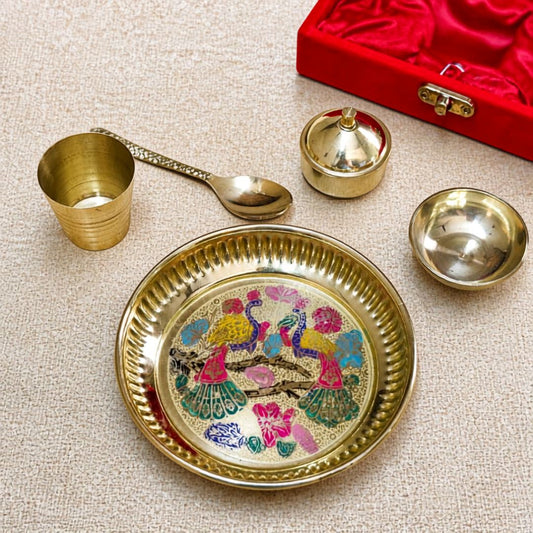
This can be especially useful when buying pooja thalis, diyas, idols, utensils, and other brass items online.
How to Test Real Brass With a Magnet
- Take any magnet — even a simple fridge magnet can work.
- Hold the magnet directly against the brass item.
- Watch what happens:
- If the magnet sticks firmly: The item is likely made of iron or steel underneath and is not solid brass.
- If the magnet does not stick: The item is more likely to be genuine brass.
- Test more than one spot, especially the corners, joints, handles, underside, or less visible areas. This is useful because a plated or coated item may have a brass-like finish only on the visible surface.
The entire real brass test takes less than 10 seconds and requires no special equipment.
Check the Weight Before Buying Brass Online
The magnet test is useful after receiving the product, but there is another important thing you should check before placing your order: the weight of the item.
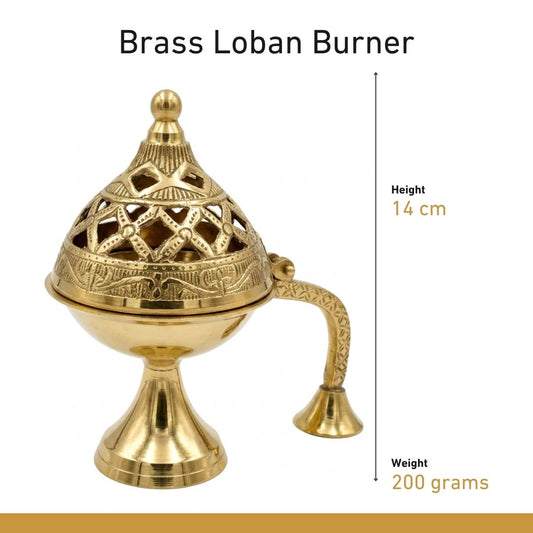
Brass is a relatively heavy metal. Therefore, before buying a brass product online, carefully check whether the seller has clearly mentioned:
- Product weight
- Height
- Length and width, where applicable
- Other important dimensions
A genuine brass item of a particular size generally has a substantial weight. If you are comparing similar-looking products online and one product is significantly lighter than another despite having similar dimensions, it is worth checking what material is actually being offered.
Important: Compare Weight Along With Size
Weight alone does not tell you whether an item is pure or genuine brass because the weight naturally depends on the product's size, thickness, design, and shape.
For example, a small brass diya and a large brass diya will obviously have different weights. Similarly, a hollow item will weigh less than a solid item of the same size.
That is why the better method is to compare:
Weight + Height + Dimensions + Product Design
Together, these details give you a much better idea of what you are buying.
Check the Actual Weight After Delivery
After receiving your order, you can also check whether the actual product weight is reasonably close to the weight mentioned by the seller.
For example, if a product is advertised as:
Weight: Approximately 1 kg
but the product you receive weighs only a few hundred grams, you should investigate the difference.
A small variation can happen because handcrafted brass products may vary slightly in weight and size. However, a major difference between the listed weight and actual weight can be a reason to check the product more carefully.
You can use a regular kitchen weighing scale to check the weight at home.
A Simple Way to Check a Brass Product After Delivery
When your brass product arrives, check:
- Does a magnet stick to it?
- Does the actual weight reasonably match the seller's listed weight?
- Do the height and dimensions match the product description?
- Does the material and finish look consistent with what was advertised?
Using these checks together is more useful than relying on only one test.
When Should You Check the Weight and Magnet Test?
Ideally, check these details before buying and immediately after delivery.
Before Buying
Check the product listing for:
- Material clearly mentioned as brass
- Product weight
- Height and dimensions
- Clear product photographs
- Seller details and return policy
After Delivery
Before using the product or gifting it forward:
- Test it with a magnet
- Check its approximate weight
- Compare its height and dimensions with the product description
- Inspect the item from different sides
It is better to do these checks early, especially before the applicable return or replacement window closes.
What If the Magnet Doesn't Stick — Is It 100% Brass?
Not necessarily. The magnet test is highly useful for catching one of the most common issues: iron or steel being presented with a brass-coloured finish.
However, other non-magnetic metals, such as copper or aluminium, may also not react to a magnet. Therefore, a “no stick” result is a strong sign, but not a laboratory-grade guarantee of brass purity.
Similarly, weight should not be used as the only test because different brass products can have different weights depending on their size and design.
The most practical approach for everyday buyers is to use both checks together:
Magnet Test + Weight Check + Size/Dimension Comparison
This gives you a much better way to understand how to check if brass is real, especially when buying brass products online.
For most customers buying pooja items, gifting products, diyas, thalis, or brass utensils, these simple checks are enough to identify obvious material mismatches.
Final Tip: Always Check the Product Specifications
When buying brass online, don't rely only on the photographs. A brass-coloured item can look very similar to genuine brass in pictures.
Always check:
- Material
- Weight
- Height and dimensions
- Product description
- Return/replacement policy
And after receiving the product, perform the magnet test and weight check. These simple steps can help you make a more informed purchase and identify whether the product is consistent with what was advertised.
Watch the Magnet Test in Action
Watch the Weight Test in Action
We tested this ourselves so you can see exactly how it works before trying it on your own products.
To learn more about using these items safely,